

Food & Water
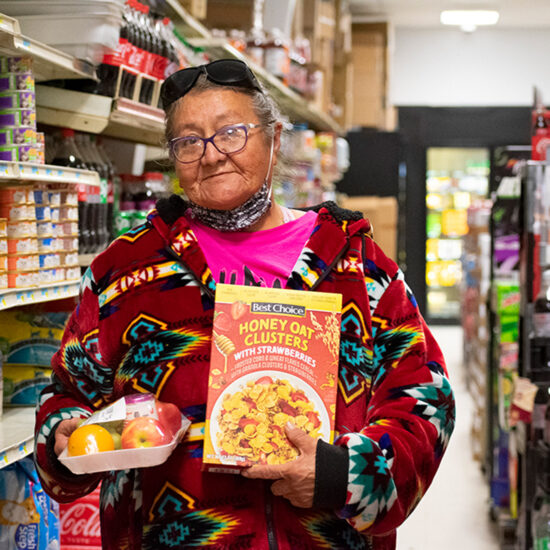
PWNA provides food support through Breakfast-in-a-Bag for Elders, Standard Food for Elderly Nutrition Centers, Food Pantry deliveries, Fresh Produce, Emergency Food Boxes, Thanksgiving Meals, and Christmas Meals for Native Americans living on remote reservations.

Education
PWNA provides educational support for
Native students through school supplies,
scholarships, laptops, care packages, books and incentives for literacy programs, and
capacity-building through
our Four Directions (4D) cohorts
Native students through school supplies,
scholarships, laptops, care packages, books and incentives for literacy programs, and
capacity-building through
our Four Directions (4D) cohorts

Emergency
PWNA provides emergency services on
remote reservations through disaster relief, winter boxes, summer boxes,
winter fuel vouchers and firewood,
residential support for homeless shelters,
and emergency preparedness training.
remote reservations through disaster relief, winter boxes, summer boxes,
winter fuel vouchers and firewood,
residential support for homeless shelters,
and emergency preparedness training.

Health Care
PWNA provides health support for Native
Americans through services such as
healthy living, community events,
community investment projects,
and capacity-building cohorts through our
Train-The-Trainer (T3) program.
Americans through services such as
healthy living, community events,
community investment projects,
and capacity-building cohorts through our
Train-The-Trainer (T3) program.

Holiday Support
PWNA provides holiday support
for Program Partners on remote
reservations through services
such as children's stockings,
Elder gift bags,
and Santa Stops.
for Program Partners on remote
reservations through services
such as children's stockings,
Elder gift bags,
and Santa Stops.

Animal Welfare
PWNA offers animal welfare services for Program Partners on remote reservations who help homeless, injured, abandoned, and hungry cats and dogs by providing pet food and supplies, cleaning supplies, community events and education, and grants for spay/neuter and veterinary services.